Take Root Among the Stars
Discipline: DATA VIS, DESIGN, DEVELOPMENT
Tools: Processing, OpenCV, TouchDesigner
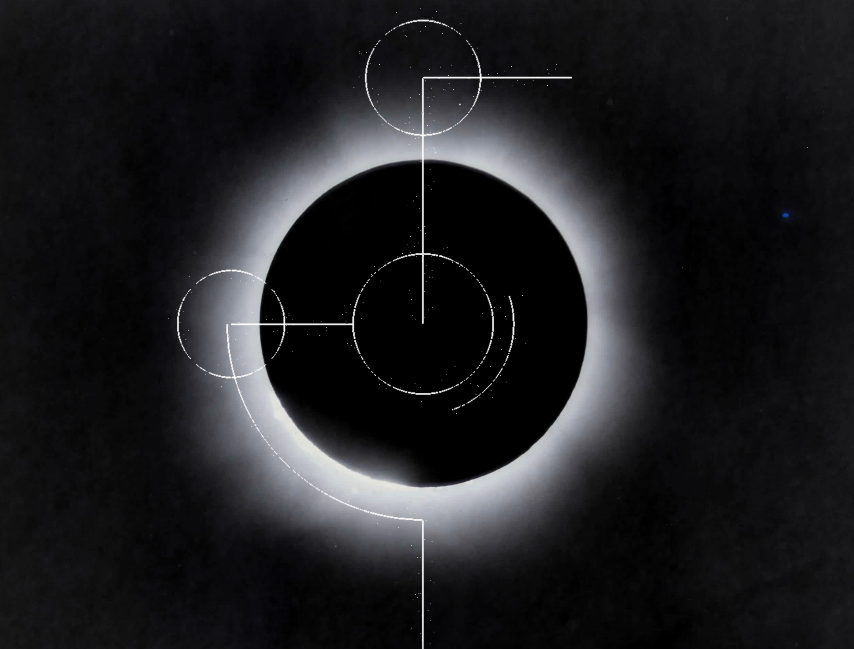


Take Root Among the Stars is a generative video series that intertwines archival imagery and computational diagrams, reflecting on cycles of history, resilience, and the cosmic scale of humanity’s journey. Drawing from the US Naval Observatory’s records of solar eclipses between 1869 and 1937, this piece merges historical moments with compass-inspired diagrams generated via code, mapping each image to Earth’s orientation parameters, such as polar coordinates, on the date the photograph was captured.
Concept
Solar eclipses, marking a shift from shadow to light, echo themes of renewal and the subtle rekindling of dreams with each new beginning. The generative diagrams, informed by the celestial positioning of Earth, serve as meditative anchors, situating viewers in both spatial and temporal realms. They trace a lineage of where humanity has been, where it stands, and where it may go—linking planetary movements to the persistence and evolution of social movements across generations.
Take Root Among the Stars* is more than an astronomical reflection; it contemplates the enduring cycles of oppression and the interwoven fabric of collective struggles. Through this work emerges a journey of those who, moving beyond survival, embody the hope and freedom to imagine realities beyond the limitations of this Earth.
Sourcing imagery
Leveraging the Internet Archive’s public API, I compiled a collection of solar eclipse photographs taken between 1869 and 1937. These images form the foundation of the visual narrative.
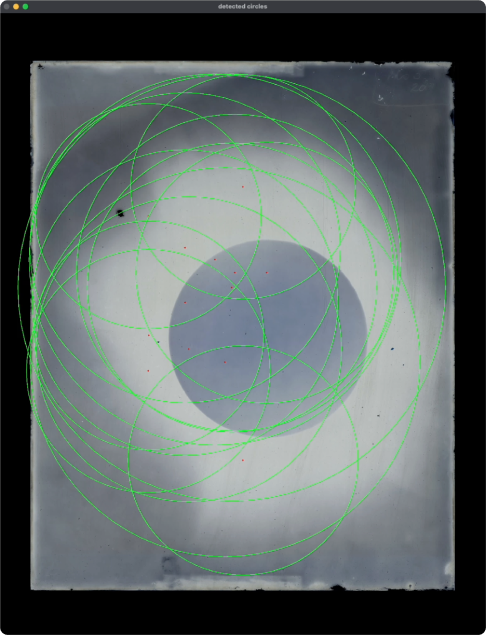
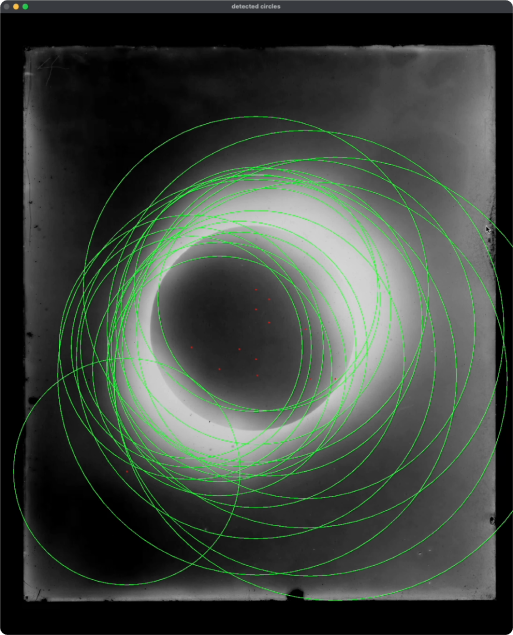
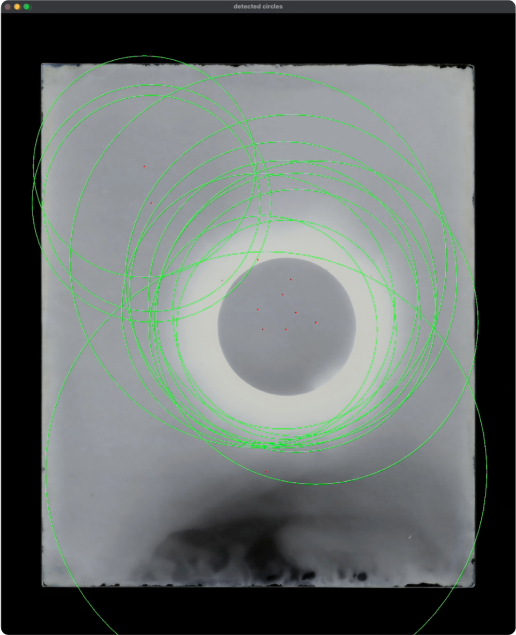
To ensure uniformity across all images, I wrote a Python script that iterates through the repository and uses OpenCV's library to automatically detect prominent circles and auto-crop each photo, centering the eclipse.
Earth Orientation Parameters
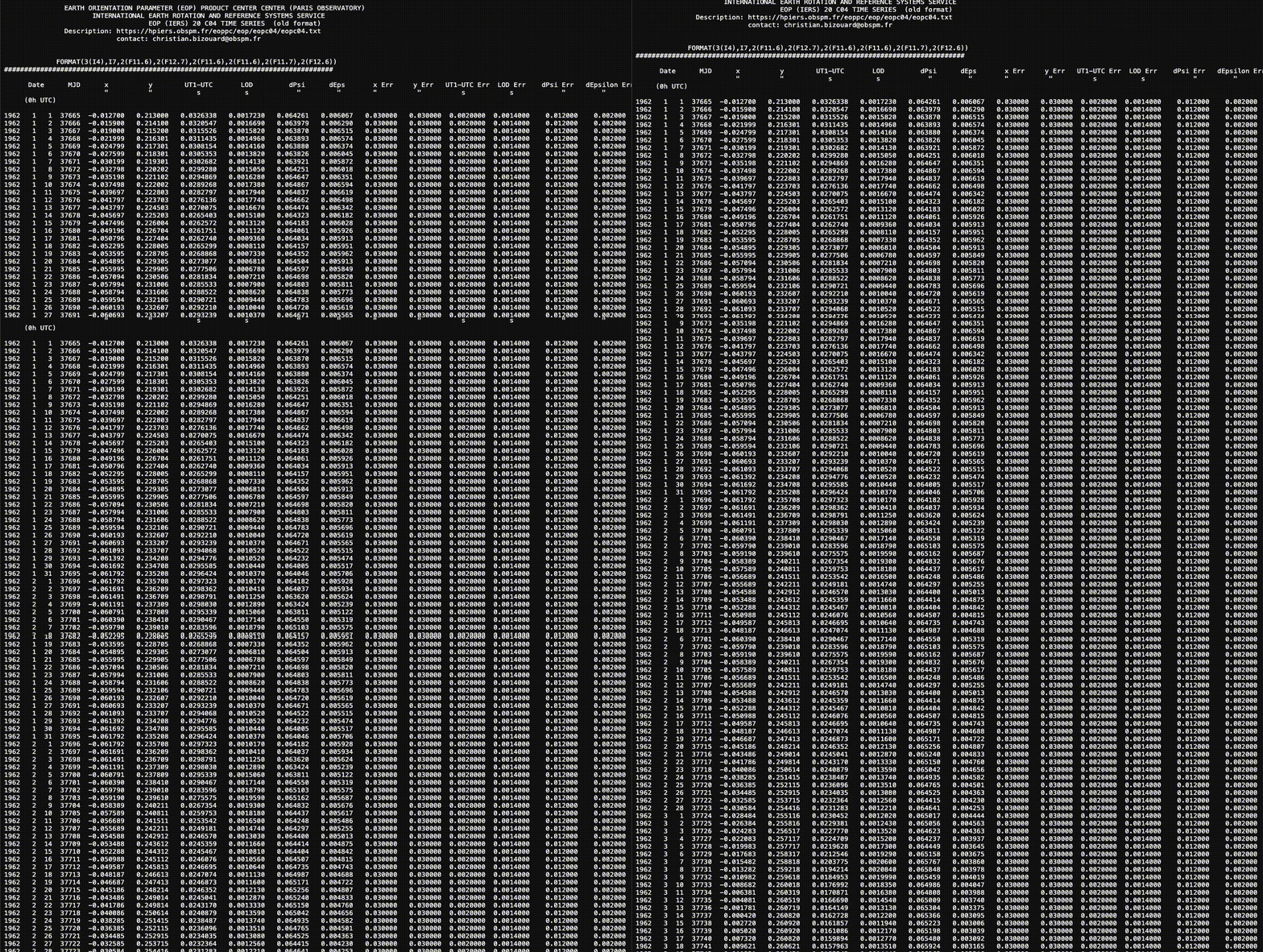
Each photograph was cross-referenced with Earth's Orientation Parameters (EOP) on the date the solar eclipse occurred, aligning its temporal context with planetary movements.
Data such as the polar coordinates (tracks rotational poles on Earth's surface) and celestial pole offsets (detects deviations in our polar predictions) were used to drive the overlaying generative diagrams.
The shifting of Earth's poles echoes the oscillation of one's sense of direction and identity. Just as the poles are constantly in flux, we are constantly working through our place within the universe, negotiating between the pull of history and the promise of the future.
Celestial pole offsets can be seen as metaphors for resilience. Earth compensates for its imperfections in polar alignment, maintaining its rotation and orbit despite disruptions. Similarly, humanity's capacity to navigate unexpected shifts—to "deviate" and adapt—becomes a measure of its endurance and creativity.
Generative Diagrams
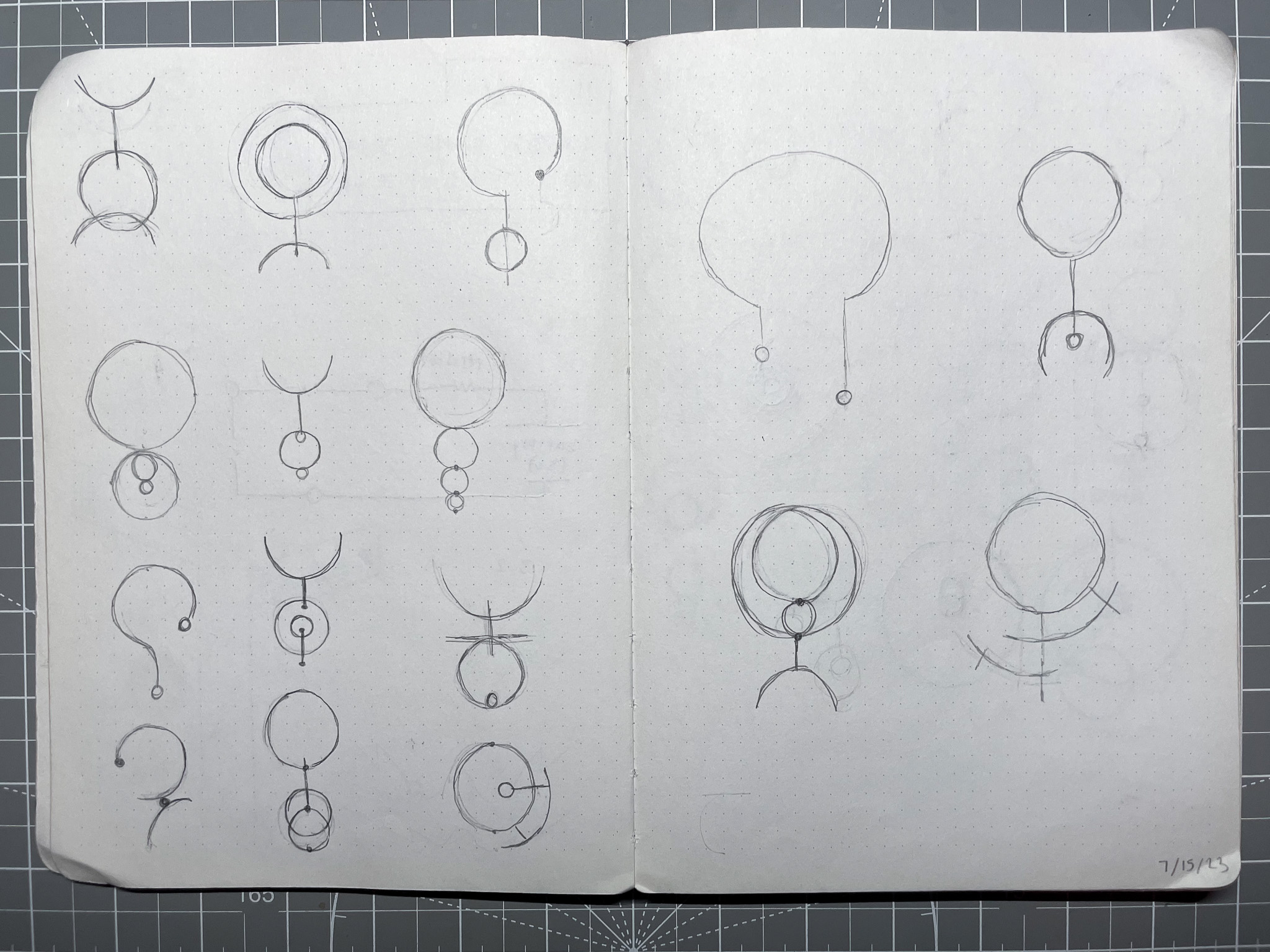
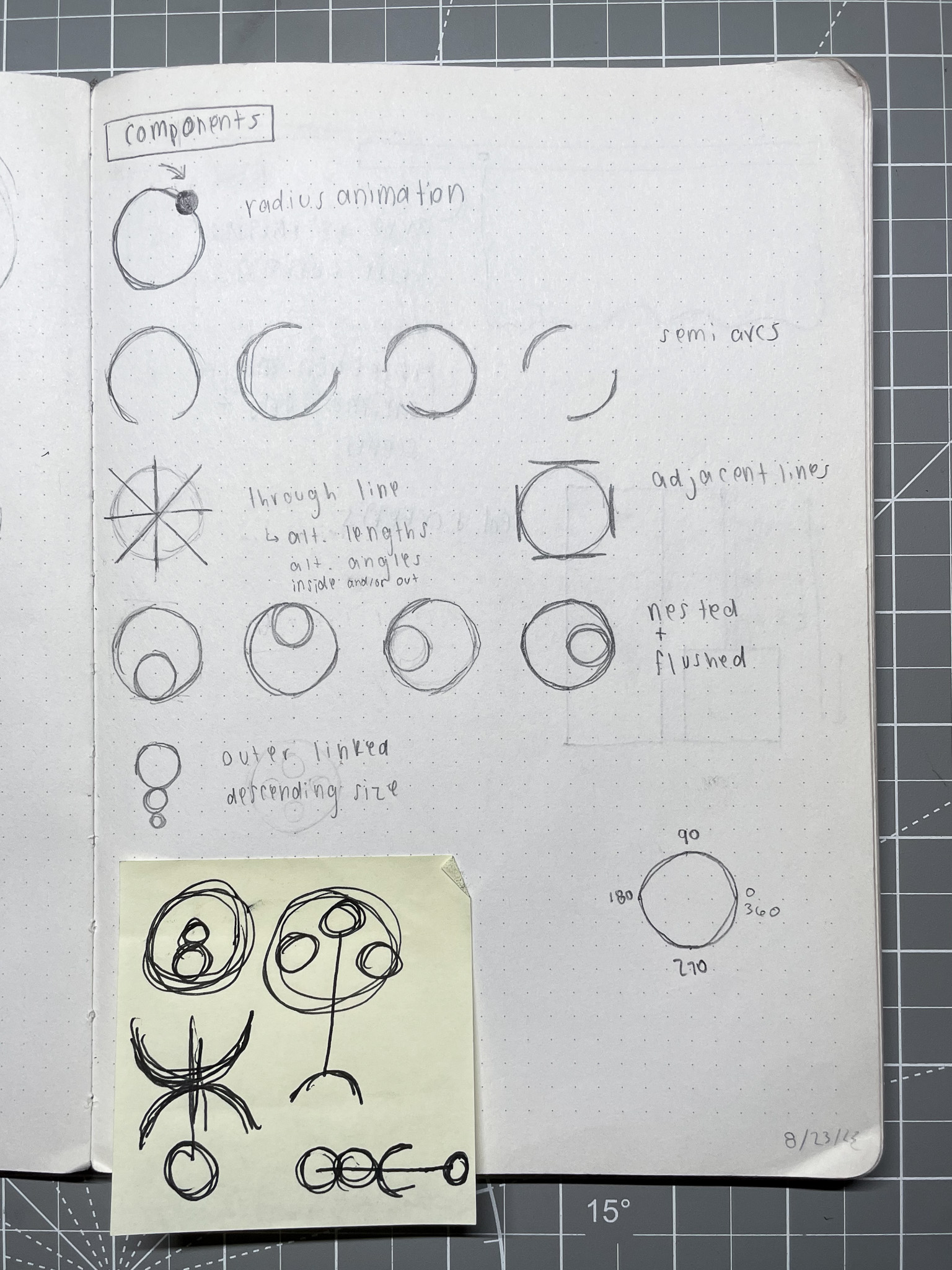
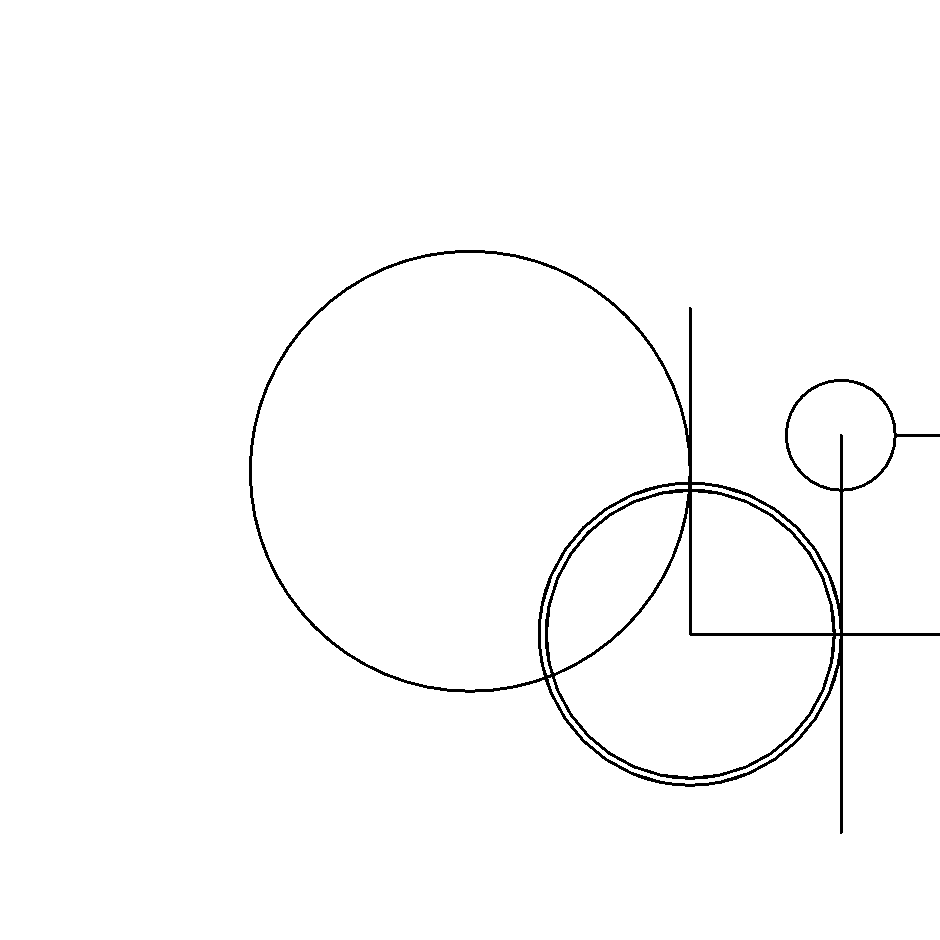
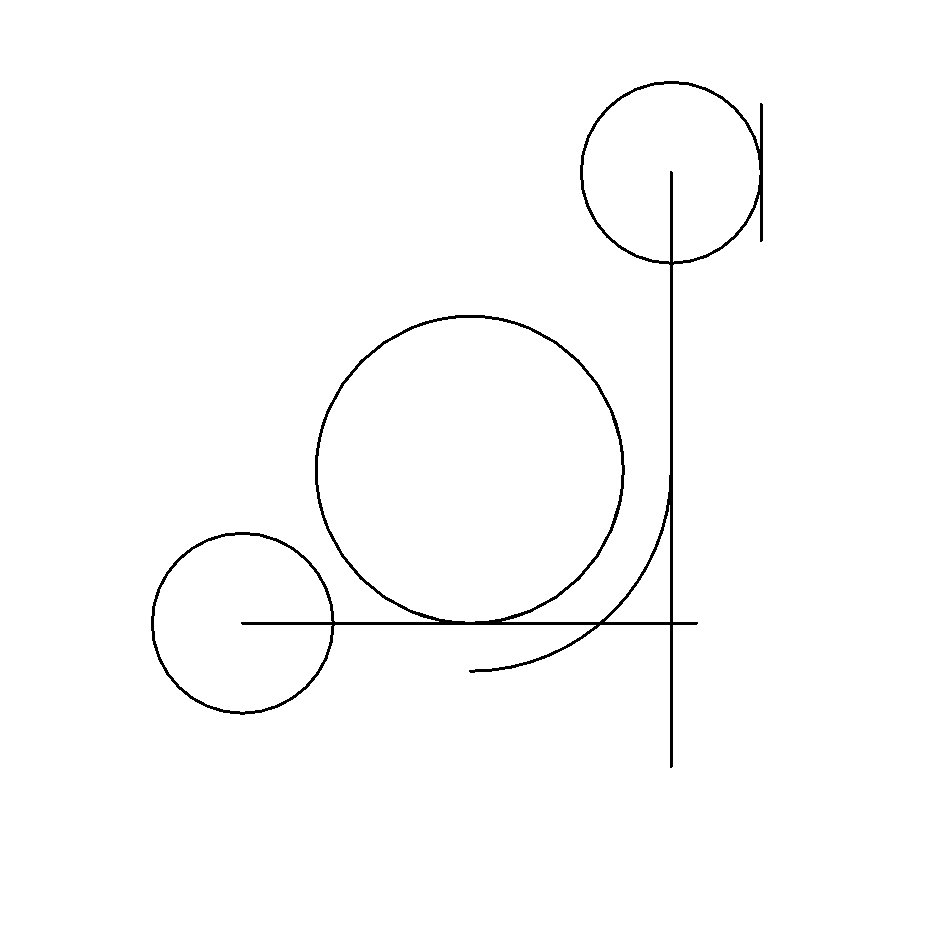
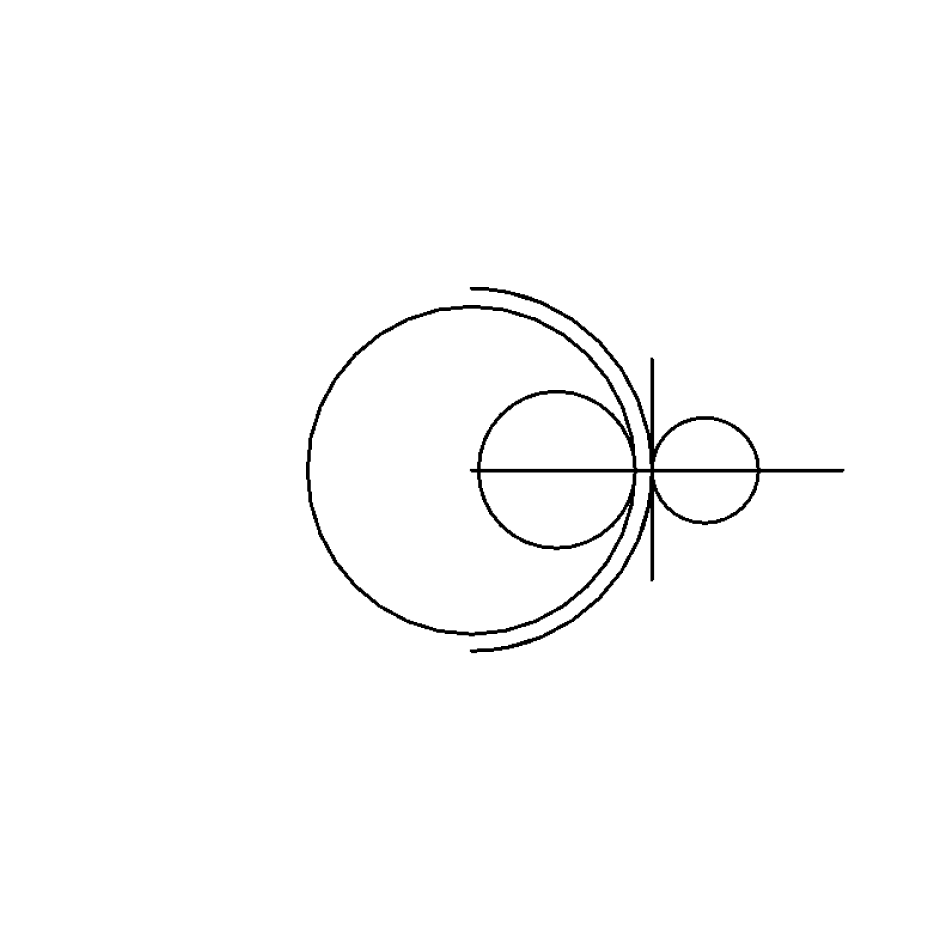
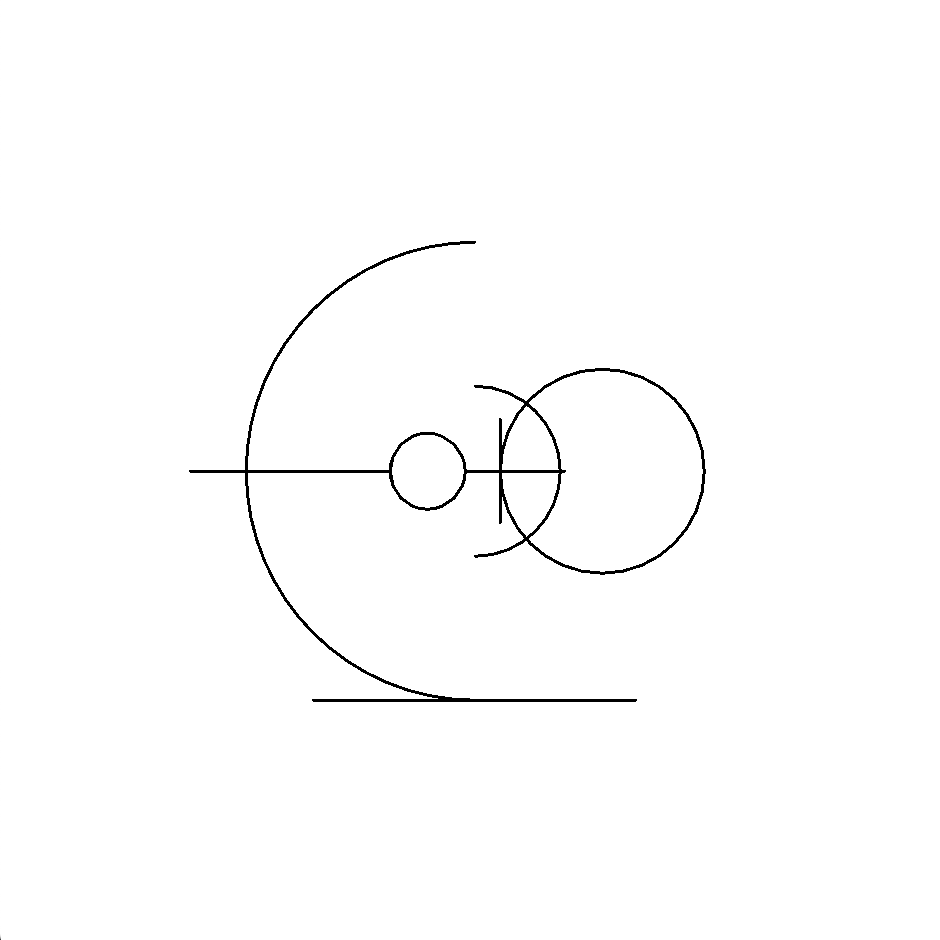
The generative diagrams were developed using Processing, leveraging its flexibility for creating dynamic, data-driven graphics. At the core of the system is a network of dynamic circles, where Earth Orientation Parameters (EOP) and selective randomness drive the size, rotation, and positioning of each element. This approach created a visual style that is both structured and fluid.
Circles are constructed with arcs of randomized lengths, symbolizing fragments of motion and time, while smaller child circles branch from parent forms, representing interconnected scales of influence.
The base circle's radius is determined by nutationDX, translating Earth's axial deviations into visual scale. Subsequent circles introduce random variations while maintaining a connection to the dataset, emphasizing layered relationships between order and unpredictability.
Rotation is informed by polar motion coordinates. Positive or negative poleX and poleY values dictate clockwise or counterclockwise movement, with speeds reflecting the magnitude of the deviation. This movement visually echoes Earth's "wobble" and its constant rebalancing.
Final composition
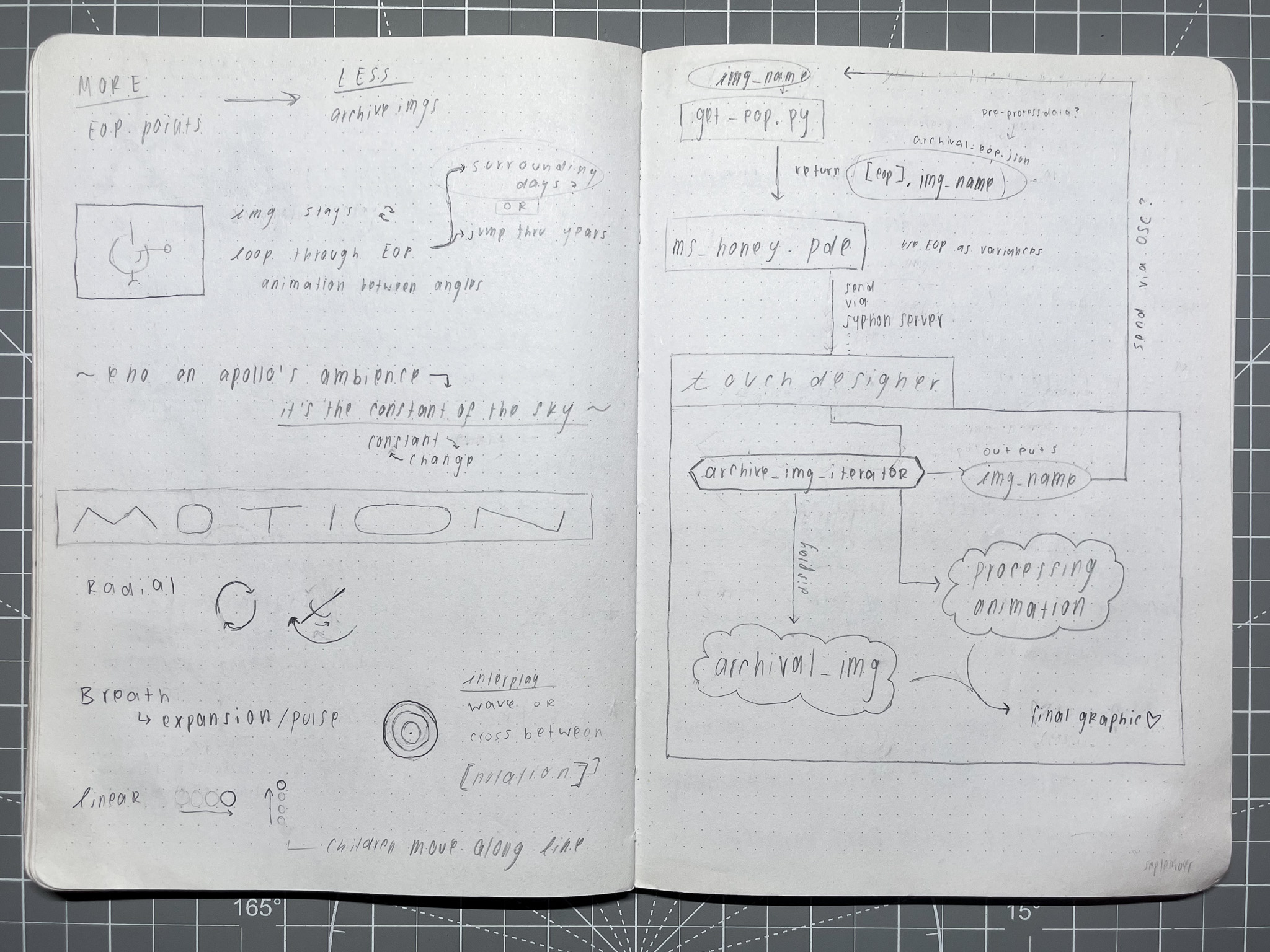
To leverage TouchDesigner's dynamic textural effects, I composited the archival images and Processing-generated diagrams directly in TouchDesigner.
In TouchDesigner, I built a component that iterates through a folder of archival images, sending each file name to the Processing sketch via OSC messages. The Processing sketch extracts metadata, such as the photograph's date, from the file name, which is then used to query the JSON dataset for the corresponding EOP data. Using this data, the sketch generates an animation, which is sent back to TouchDesigner via a Syphon server. Once in TouchDesigner, I applied visual post-processing to refine the animation before overlaying it on it's according solar eclipse image.